

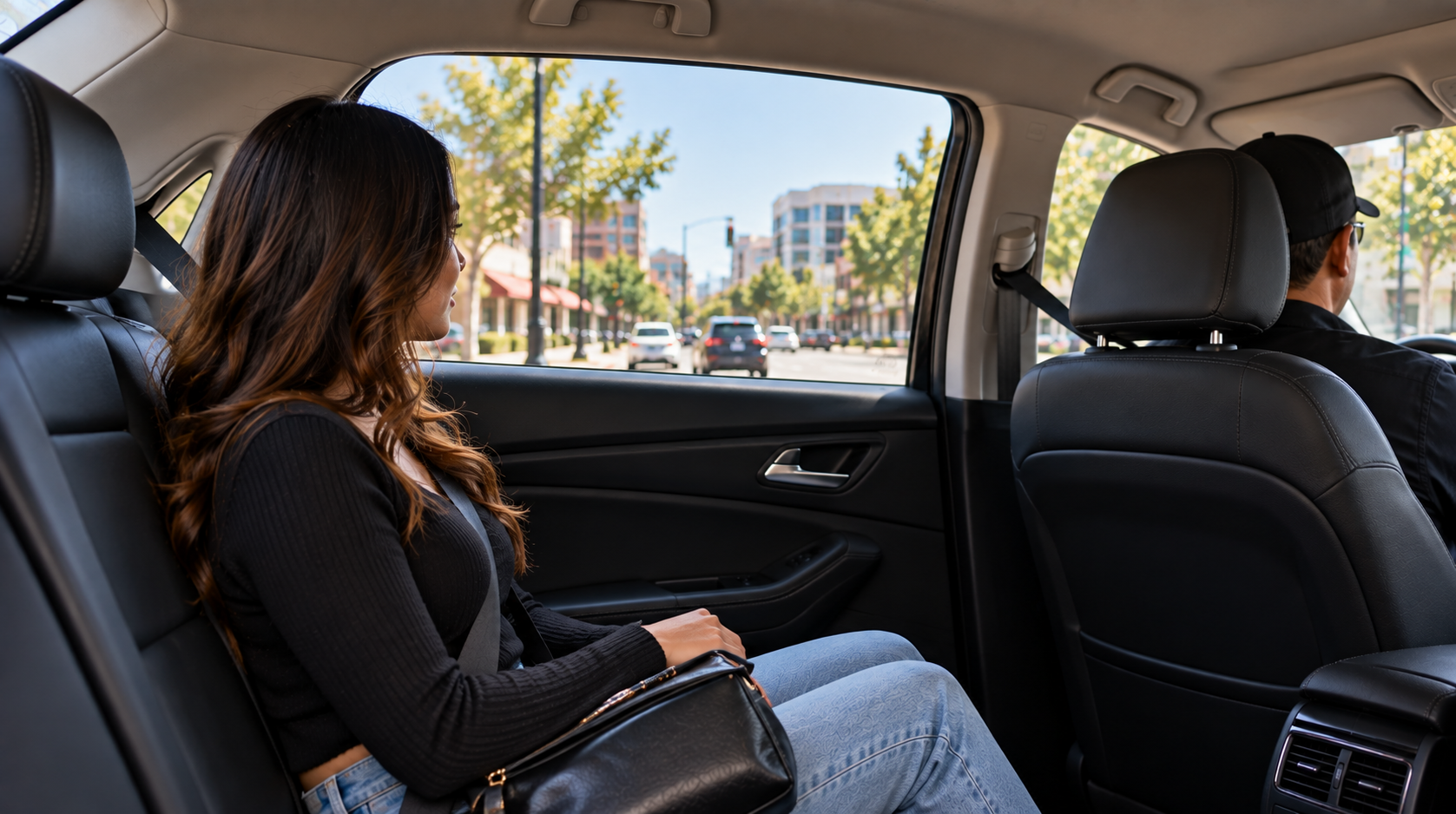
Uber has become part of everyday transportation for many Californians. It can be convenient when you're heading to the airport, going out for the evening, or simply don't want to deal with traffic and parking.
Most rides end without a problem. Still, rideshare vehicles share the road with everyone else, which means crashes can happen. So if you're wondering, is Uber safe, it's useful to understand both the practical safety steps passengers can take and what happens if a ride ends in an accident.
An Uber driver faces many of the same risks as any other motorist, along with some additional distractions associated with rideshare driving.
Potential causes of a rideshare crash include:
An Uber driver isn't necessarily responsible simply because an accident happens during a rideshare trip. Another motorist—or more than one driver—may have contributed to the collision.
Determining what happened starts with the circumstances of the crash, not simply which vehicle had an Uber sticker.
A few simple habits can make rideshare trips safer.
Before getting into the vehicle, compare the information in your Uber app with the vehicle that arrives. Check the driver's name and photo along with the vehicle's make, model, and license plate.
If something doesn't match, don't get into the vehicle.
Passengers can also use the safety and trip-sharing features available through the app. Sharing your trip with someone you trust can allow them to follow your ride and expected arrival.
Sitting in the back seat can also give passengers easier access to an exit on either side of the vehicle.
Pay attention to what's happening during the ride.
If a driver is speeding, repeatedly looking at their phone, appearing unusually tired, or otherwise driving in a way that makes you uncomfortable, you don't have to ignore it.
You can ask the driver to slow down or request to end the ride at a safe location. Uber also provides in-app safety features passengers can use when appropriate.
The goal isn't to spend the entire trip worrying about an accident. It's simply to remain aware of your surroundings, just as you would when riding with anyone else.
The steps following an Uber or Lyft accident can make a significant difference later, particularly if you've been injured.
Start with your health and safety. Call 911 when necessary and seek medical attention for injuries.
If you're able to safely document the scene, consider collecting:
You should also preserve the trip receipt and any other information available through your Uber account.
Some injuries don't become obvious immediately after a collision. If you're experiencing pain or other symptoms after the accident, getting medically evaluated can protect your health and create documentation of what happened.
This is where rideshare accidents can become more complicated than ordinary car crashes.
The insurance that may apply depends in part on what the rideshare driver was doing through the app when the collision occurred.
When a driver isn't logged into the rideshare platform, the accident is generally handled through applicable personal automobile insurance.
Different insurance requirements apply when a driver is logged into the platform and waiting for a ride request. Coverage changes again after the driver has accepted a ride and while the passenger's trip is underway.
That's why Uber or Lyft accident liability in California shouldn't be determined simply by seeing the rideshare company's name on the vehicle. App status, the drivers' actions, available insurance policies, and other evidence can all matter.
It depends on what caused the collision.
The rideshare driver could be responsible if unsafe driving caused the accident. Another motorist could be responsible if that person caused the crash.
There are also situations where more than one driver may share responsibility.
For example, imagine an Uber driver is speeding when another vehicle makes an unsafe lane change. If both actions contribute to the collision, responsibility may need to be divided based on the evidence.
This is one reason rideshare accident claims can involve several different insurance policies and parties.
Potentially, yes.
A passenger generally isn't responsible for controlling either vehicle involved in the crash, but determining where compensation comes from still requires identifying who caused the accident and which insurance coverage applies.
Depending on the circumstances, a claim could involve the rideshare driver's applicable coverage, another driver's insurance, or multiple policies.
Evidence such as app records, trip receipts, photographs, witness statements, police reports, and medical records can help clarify what happened.
California uses comparative-fault principles, meaning responsibility for an accident can be divided among multiple parties.
An Uber driver and another motorist, for example, could both have contributed to the same collision.
This can make rideshare claims more complicated because determining fault is only one part of the process. The applicable insurance coverage also needs to be identified.
A minor collision without injuries may not require legal representation. But speaking with an attorney may be worth considering when injuries require medical treatment, responsibility for the accident is disputed, multiple insurance companies are involved, or there is uncertainty about which rideshare coverage applies.
California generally has a two-year statute of limitations for personal injury lawsuits based on another person's wrongful act or negligence, although exceptions and different deadlines can apply depending on the circumstances.
Getting information early can also help preserve evidence before footage, records, or other information becomes harder to obtain.
For most passengers, an Uber ride ends exactly as expected. But rideshare transportation doesn't eliminate the ordinary risks of traveling by car.
Passengers can take reasonable precautions by confirming the vehicle and driver, using available safety features, wearing a seat belt, and staying aware during the trip.
If an accident does happen, focus first on your health. Then preserve information about the ride and collision so you have a clearer record of what happened.
Understanding your rights and how personal injury claims work can also help you determine what steps make sense if you've been injured.


