

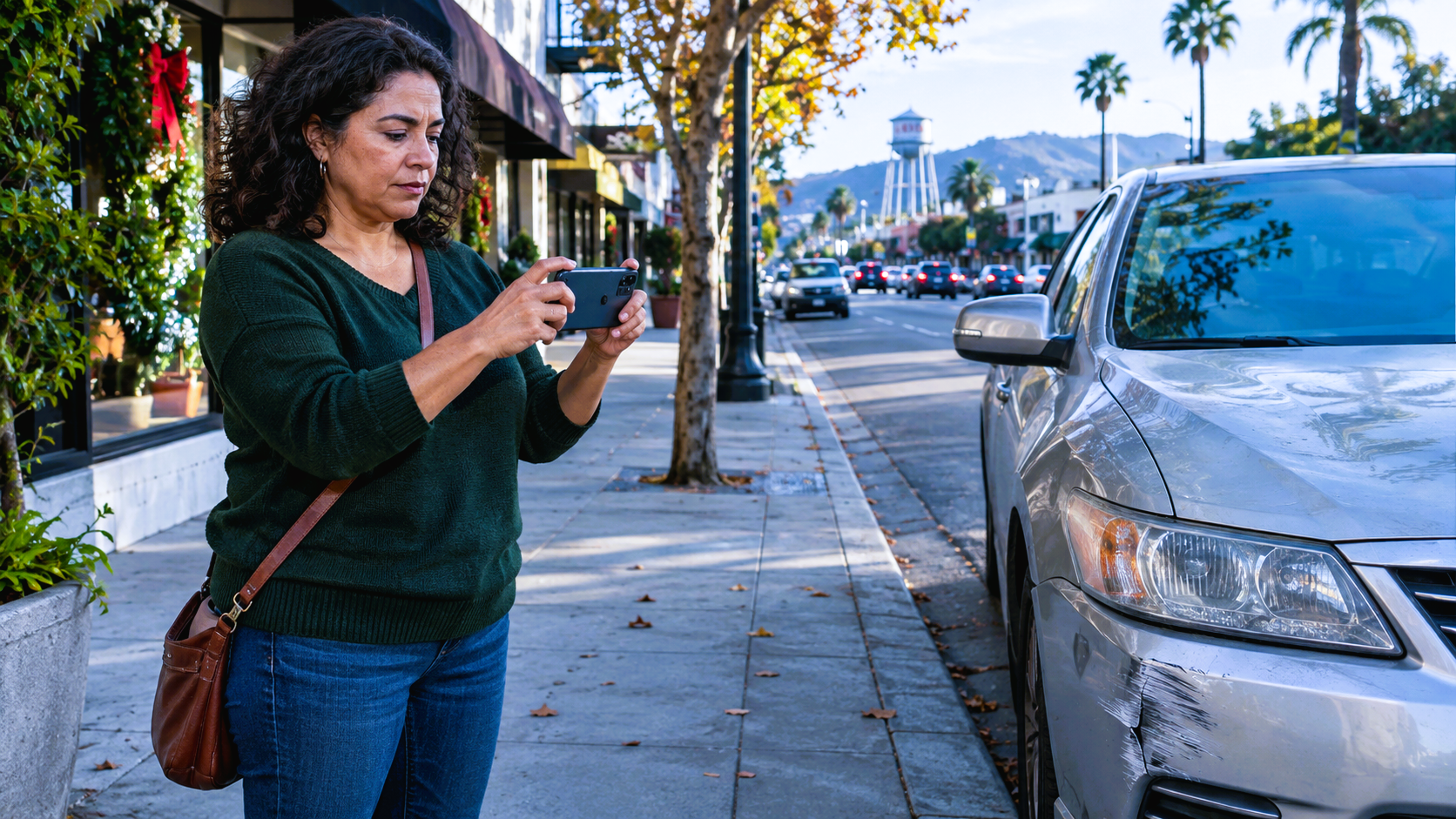
The crash may be over before the holiday weekend has really started. Then the tow yard closes, the repair shop stops answering, a nearby business will not reopen for two days, and the medical office sends every call to voicemail. By Tuesday, the accident already feels harder to reconstruct.
A long weekend does not change the basic questions in a California injury claim. It can change how quickly evidence disappears, how a delay in treatment is explained, and how difficult it becomes to reach witnesses, insurers, vehicle owners, or public agencies.
Tim D. Wright has practiced personal injury law in Southern California since 1983 and maintains the firm's primary office in Burbank. A holiday weekend accident claim still depends on timely evidence, medical documentation, and the specific facts, even when ordinary services are temporarily unavailable.
A Holiday Changes the Clock, Not the Need to Preserve Evidence
Evidence does not pause because offices are closed. Tire marks fade, debris is cleared, vehicles are moved, and rain or traffic can change the scene. A phone can preserve wide photographs of the road, closer images of damage, traffic controls, lane markings, lighting, weather, and any visible injury.
Write down where each vehicle stopped and the direction each person was traveling. Save the other driver's license, registration, insurance information, and license plate without posting those details online. If a witness is leaving town after the holiday, obtain a reliable phone number or email address.
Video can be especially time-sensitive. Homes, hotels, restaurants, parking facilities, rideshare pickup areas, and storefronts may have cameras, but recordings are often overwritten. Note the exact camera locations and send a focused preservation request as soon as the responsible person or business can be identified.
Tow records, storage receipts, roadside assistance messages, and vehicle photographs can help establish what happened after the collision. Before repairs begin, ask whether the vehicle can be photographed from all sides and whether damaged parts or event data may need to be preserved.
Readers who are still at the scene can use the firm's step-by-step Burbank accident guide. That article covers immediate safety and exchange-of-information steps. This guide addresses the additional recordkeeping problems that often develop during a long holiday closure.
Medical Documentation Can Explain What Happened Over the Long Weekend
Some symptoms are obvious at the scene. Others become clearer after the initial shock fades or after a person tries to sleep, walk, drive, or return to routine activity. A holiday does not make those symptoms less real, but a later visit may create questions about when they began and why care was not obtained sooner.
Emergency symptoms require appropriate emergency attention. For other concerns, document attempts to reach a regular provider, the advice received, the earliest available appointment, and any practical barrier such as transportation or a closed office. The record should describe what actually happened rather than supply a polished excuse.
At the first visit, give an accurate accident date, symptom timeline, prior medical history, and account of any self-care. Explain which activities became difficult and whether symptoms changed during the weekend. Do not exaggerate, minimize, or ask the provider to use legal wording.
Save discharge instructions, medication receipts, appointment confirmations, and referral information. If a record contains a material error about the collision or symptom onset, raise it through the provider's normal correction process rather than editing or annotating the record yourself.
A treatment delay is one part of the evidence, not an automatic decision about the claim. The reason for the delay, the first medical findings, prior conditions, later events, and consistency of the timeline must be considered together.
Reporting Duties Do Not Wait for the Next Business Day
A holiday closure should not be treated as permission to ignore reporting requirements. Call emergency services when the circumstances require it, cooperate with lawful instructions, and retain the incident or report number. If an officer does not respond, record when and how the collision was reported.
California Vehicle Code section 16000 requires a driver to report a collision to the Department of Motor Vehicles within 10 days when it causes bodily injury, death, or property damage above the statutory amount. The reporting duty can apply even if an officer prepared a separate collision report.
The California DMV accident-reporting page provides access to the Traffic Accident Report, commonly called the SR-1. The form requests driver, vehicle, insurance, injury, and property information. Keep a complete copy of what is submitted and proof of the submission date.
Notify the relevant insurers within the time required by the policies. Give accurate basic information, but do not guess about speed, distance, medical diagnosis, or fault simply because an adjuster wants an immediate recorded account. Ask what information is being requested and preserve every claim number and written response.
Holiday travel can add rental vehicles, company vehicles, rideshare activity, or out-of-state drivers to the investigation. The driver, vehicle owner, rental company, employer, and different insurers may hold separate records. Identifying those relationships early can prevent the claim from being directed to the wrong policy.
Local Details Can Expand the Burbank Investigation
A collision near a hotel, shopping district, airport route, restaurant, or holiday event may involve more evidence than the two vehicles. Parking records, delivery schedules, employee observations, event staffing, traffic-control plans, and business video may help explain congestion or vehicle movement.
Responsibility still depends on conduct and causation. A busy intersection or crowded parking lot does not make a business, property owner, employer, or public agency automatically liable. Each possible party needs a factual and legal basis before being added to the investigation.
Public property or government vehicles can introduce a much shorter claim process. Government Code section 911.2 generally requires a claim relating to personal injury to be presented within six months after accrual. The correct public entity, the basis of the claim, and the date must be evaluated promptly.
People in the Burbank service area follow the same California rules as people in Glendale or North Hollywood, but the available cameras, witnesses, tow facilities, medical providers, and public records are local. The firm's car accident practice can review those local facts alongside the statewide reporting and filing requirements.
Keep location details specific. Record the intersection, direction of travel, nearest address, parking-space number, entrance, or landmark that identifies the scene. A precise description is more useful than a general statement that the crash happened somewhere in Burbank.
Build One Record Before Memories and Documents Scatter
Use one folder for photographs, reports, medical records, bills, insurance letters, tow documents, repair estimates, rental receipts, and witness information. Keep the original files and use clear names or dates for copies. Do not crop images in a way that removes time, location, or surrounding context.
Create a short chronology beginning with the trip purpose, collision time, emergency response, vehicle movement, symptom onset, first medical contact, insurer notices, and the first working-day follow-up. Mark uncertain times as estimates. A truthful gap is safer than a confident detail reconstructed later.
Be careful with social media. Holiday photographs, check-ins, and short videos can be misunderstood when separated from the rest of the day. Do not delete existing material after anticipating a claim, and do not create a public narrative about fault or injury.
Code of Civil Procedure section 335.1 generally provides two years for an action involving injury caused by another person's wrongful act or neglect. A holiday does not ordinarily create a new filing period. Public entities, minors, insurance contracts, and other circumstances may involve different rules.
An organized record allows the evidence to be reviewed without relying on a stressful memory of the weekend. It may also reveal missing video, an unanswered coverage question, a medical gap, or a deadline that needs attention. No checklist can determine the outcome because liability, causation, damages, insurance, and credibility vary from case to case.
Frequently Asked Questions About Holiday Weekend Accidents
Can I wait until the next business day to report a holiday weekend accident?
Do not assume that every reporting duty can wait. Emergency needs, police reporting, insurer notice, and the DMV's SR-1 requirement follow different rules and timelines. Document any closure or unsuccessful reporting attempt, then complete the required follow-up promptly.
What if my regular doctor is closed after the Burbank accident?
Seek emergency care when symptoms or medical advice indicate it is necessary. For non-emergency concerns, record attempts to contact the provider, any instructions received, and the earliest appointment offered. Accurate documentation can help explain why the first visit occurred after the holiday.
Does a holiday weekend extend California injury deadlines?
A holiday does not automatically extend every deadline connected to an accident. Lawsuit periods, government claim requirements, DMV reporting, insurance notice, and evidence-preservation needs operate differently. Tim D. Wright recommends identifying each applicable deadline from the actual parties and facts.
What if the other driver was visiting Burbank or driving a rental car?
An out-of-town or rental driver can add policies, vehicle owners, rental agreements, and contact issues to the investigation. Preserve the driver's information, rental details, vehicle registration, insurer data, and claim correspondence. The driver's travel status does not decide fault by itself.


